Imagine standing inside a newly completed building. The paint is fresh, the lighting modern, the systems humming quietly in the background. It feels current, aesthetic, maybe even almost futuristic. However, the structure around you may still be operational in 2050 or beyond.
Buildings are long-term commitments. Once constructed, they are difficult and expensive to fundamentally redesign. That permanence means every decision made today has consequences that stretch decades into the future.
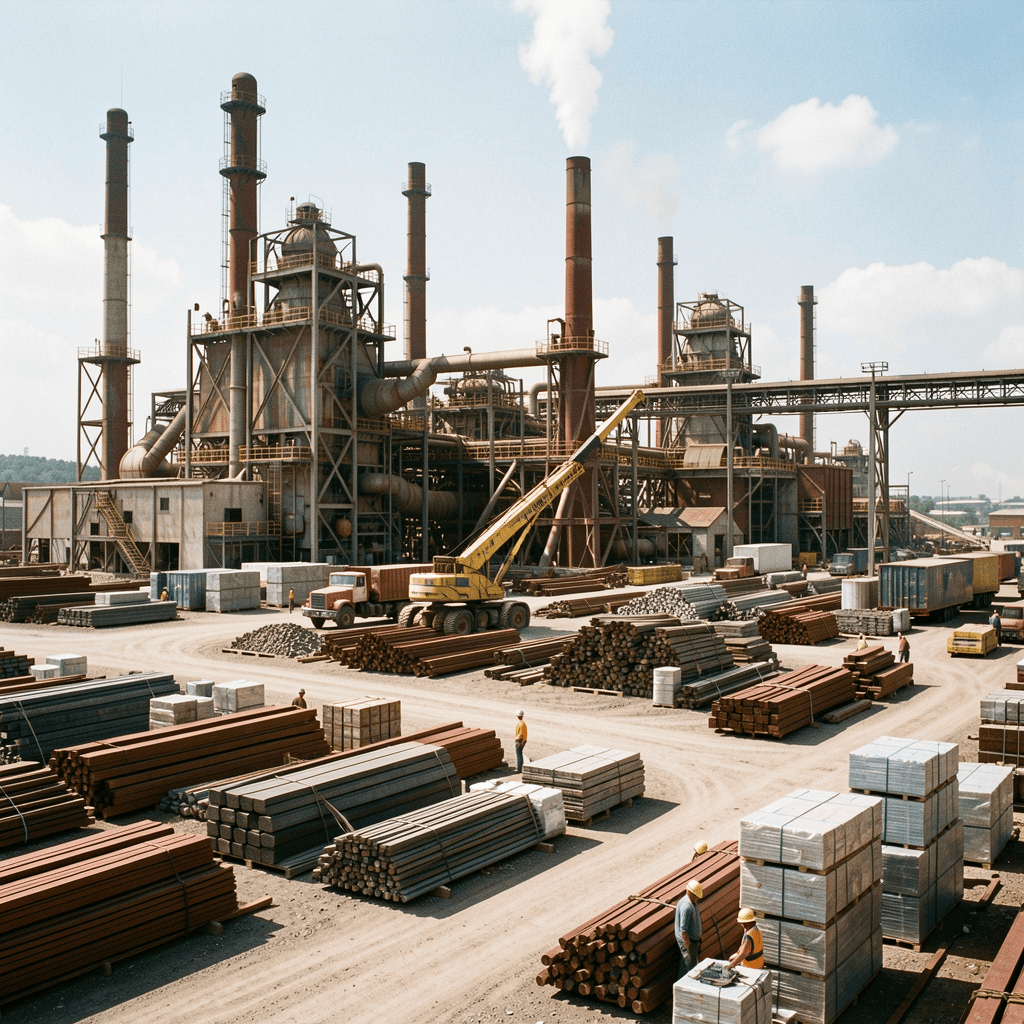
Globally, the built environment accounts for a significant portion of energy consumption and carbon emissions. Operational emissions from heating, cooling, and lighting combine with embodied carbon from materials such as cement and steel. When inefficient buildings are constructed today, they effectively lock in emissions for decades.
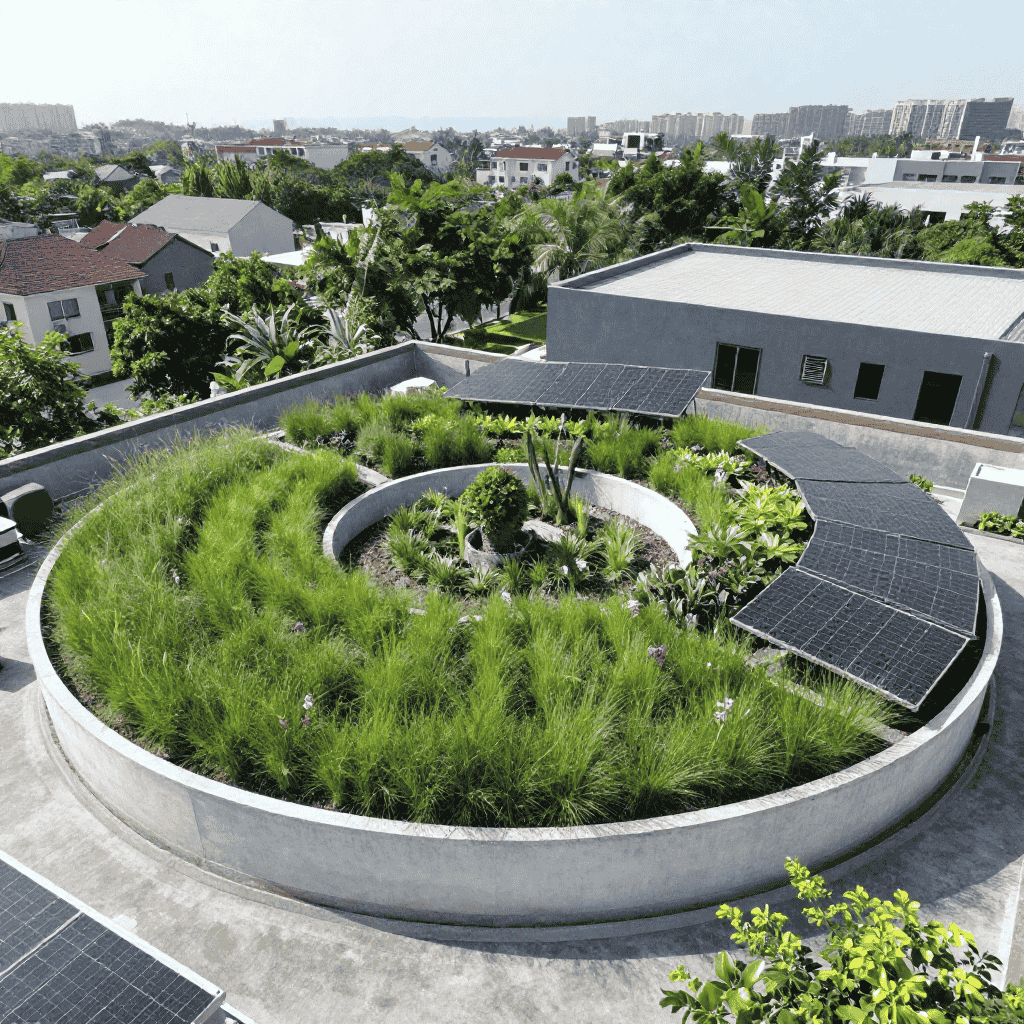
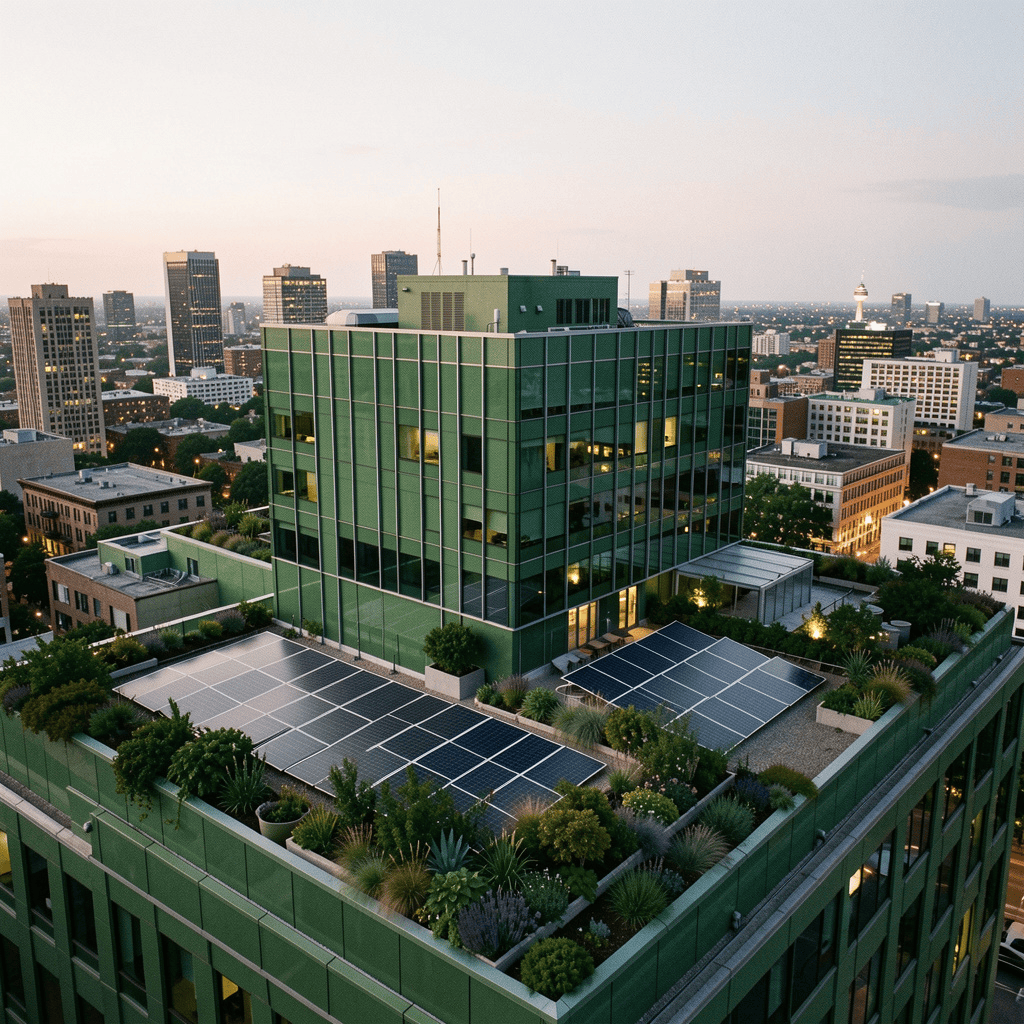
Retrofitting can help, but it is often costly and technically complex. It is far more efficient to integrate sustainability from the outset. High-performance insulation, renewable energy systems, passive design strategies, and responsible material sourcing dramatically reduce long-term environmental impact.
Consider coastal cities facing rising sea levels. Buildings constructed without resilience planning may face increasing flood damage and insurance costs. In regions experiencing extreme heat, poorly ventilated structures strain energy grids and compromise occupant health. Designing with climate projections in mind is no longer speculative; it is prudent planning.
The concept of carbon lock-in illustrates this clearly. When infrastructure relies heavily on fossil fuel-based systems, transitioning later becomes financially and technically burdensome. On the flip side, designing with low-carbon technologies creates flexibility and adaptability.
Sustainable certification frameworks guide this process by embedding forward-looking criteria into present decisions. They require measurable performance standards rather than aesthetic gestures, and encourage lifecycle thinking rather than short-term cost minimization.
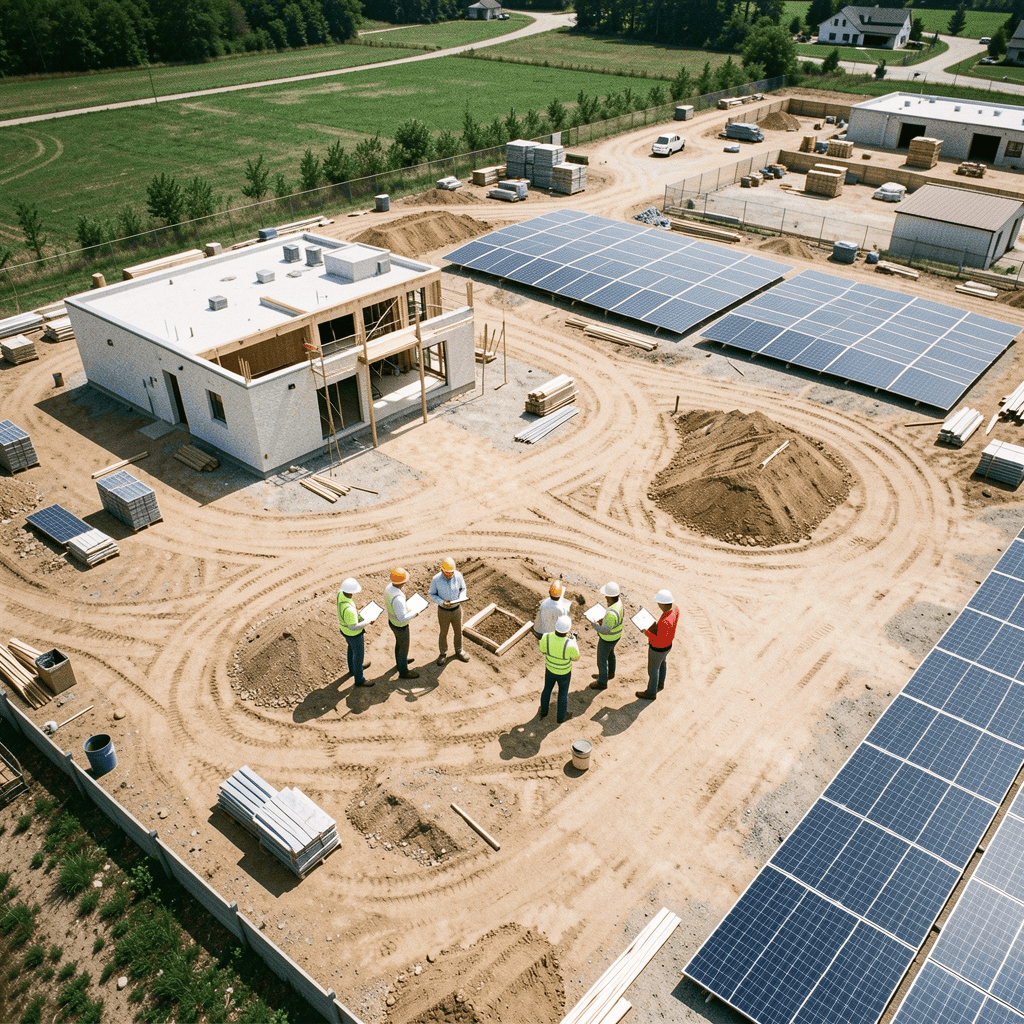
For rapidly developing economies, the stakes are especially high. Urban expansion is happening at unprecedented speed. The quality of today’s construction will influence national emissions trajectories and public health outcomes for generations.
Designing for 2050 means asking difficult questions in 2026. Will this building remain efficient under stricter carbon regulations? Can it adapt to new technologies? Does it minimize resource extraction and waste? The answers depend on intentional planning supported by credible standards.
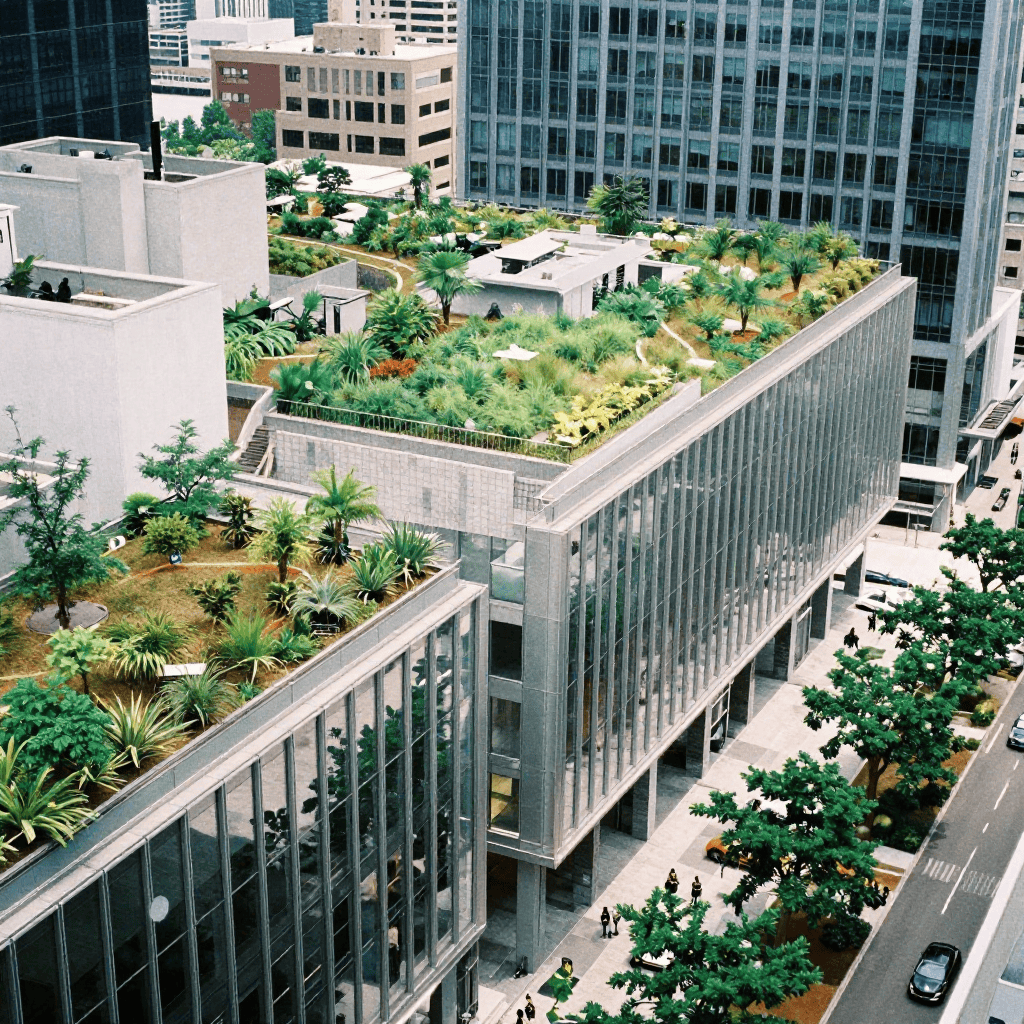
When businesses commit to sustainable construction practices, they are participating in shaping long-term climate outcomes. The buildings we construct today will either accelerate environmental strain or contribute to resilience and regeneration. The choice is embedded in every blueprint.
Hi there I am so grateful I found your webpage, I really found you by mistake, while I was
looking on Yahoo for something else, Anyhow I
am here now and would just like to say thanks a lot for a
tremendous post and a all round entertaining blog
(I also love the theme/design), I don’t have time to read through it all at the minute but I have bookmarked
it and also included your RSS feeds, so when I have time
I will be back to read much more, Please do keep up the
great work.


One Response
Hi there I am so grateful I found your webpage, I really found you by mistake, while I was
looking on Yahoo for something else, Anyhow I
am here now and would just like to say thanks a lot for a
tremendous post and a all round entertaining blog
(I also love the theme/design), I don’t have time to read through it all at the minute but I have bookmarked
it and also included your RSS feeds, so when I have time
I will be back to read much more, Please do keep up the
great work.