For decades, the construction industry has followed a simple model: take, make, dispose. Raw materials are extracted, turned into buildings, and eventually demolished, often ending up as waste.But that model is breaking down.
With rising material costs, environmental concerns, and urban expansion, the industry is now moving toward something far more sustainable: the circular economy.
What is Circular Construction?
Circular construction is about designing buildings in a way that nothing goes to waste. Instead of treating materials as disposable, they are seen as valuable assets that can be reused, repurposed, or recycled.
This means:
Buildings are designed for disassembly, not demolition
Materials are selected based on lifespan and reuse potential
Waste is minimized at every stage; from design to construction to operation
In simple terms, buildings become material banks for the future.
When we say the future of construction is circular, it is important to note that:
The construction sector is one of the largest contributors to global waste and carbon emissions. Transitioning to circular practices can:
Significantly reduce construction waste
Lower embodied carbon in buildings
Cut long-term costs through material reuse
Improve resource efficiency in rapidly growing cities.
For fast-developing regions, this is not just an environmental issue, it’s an economic opportunity. Circular construction is already happening, and it doesn’t always require futuristic technology.
Some practical examples include:
Reusing structural steel from old buildings in new projects
Designing modular buildings that can be easily expanded or relocated
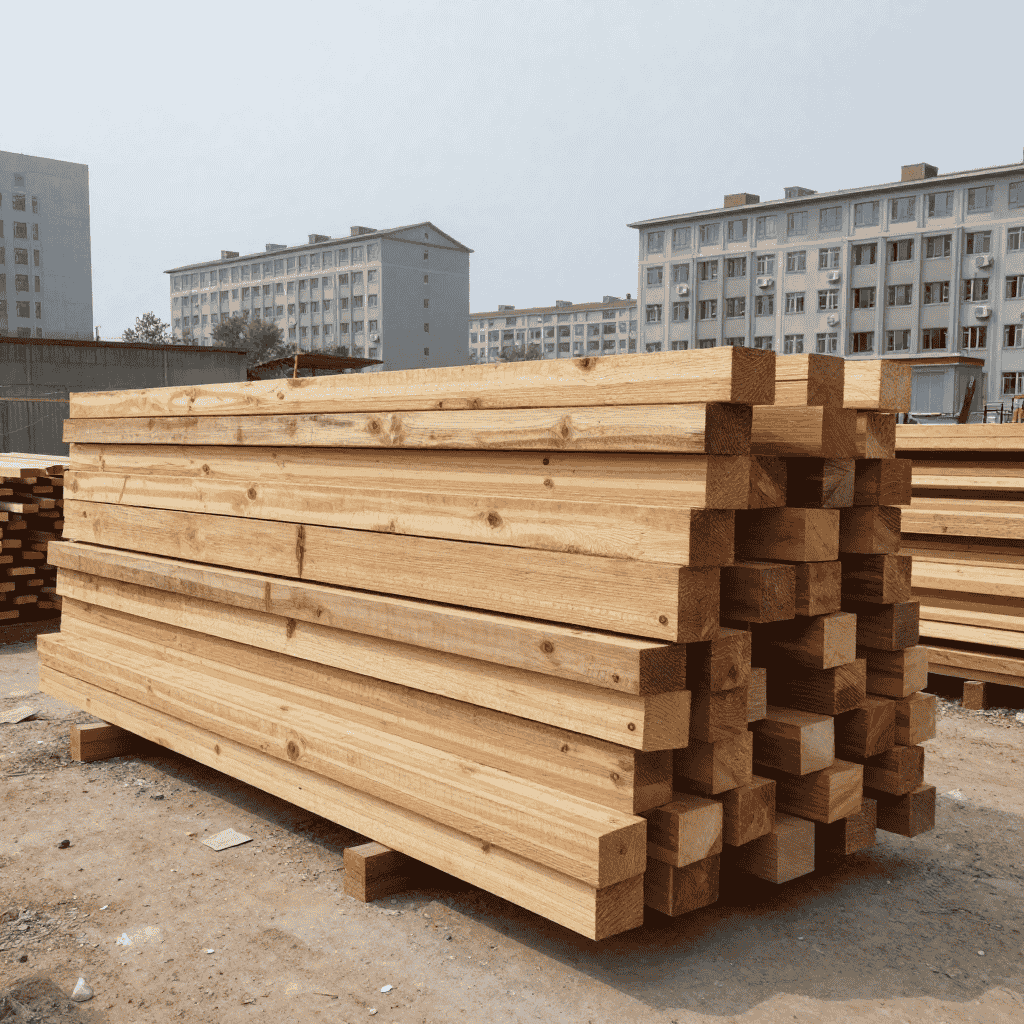
Using reclaimed wood, bricks, and fixtures instead of new materials
Implementing material tracking systems to document reuse potential
Even simple decisions, like choosing mechanical fasteners over permanent adhesives, can make a huge difference in enabling reuse.
Of course, the transition isn’t without hurdles:
Limited awareness among developers and contractors
Lack of standardized systems for material reuse
Perceived higher upfront costs
Regulatory frameworks that haven’t fully caught up
But these challenges are rapidly being addressed as demand grows. Circular construction is a shift in mindset that asks a powerful question: What happens to this building after its first life?
The organizations that can answer that question today will be the ones shaping the cities of tomorrow.