Home / Blog
Sustainability is now entering boardrooms, procurement meetings, construction sites, investment conversations, reporting desks, and client proposals. Yet, many professionals are still waiting for their organizations to define what sustainability means for them.
That is risky.
Across sectors, the language has changed. Clients now ask about ESG. Investors ask about climate risk. Developers ask about green building requirements. Supply chains ask for carbon data. Regulators are asking for better disclosure. Even small businesses are beginning to hear questions around responsible operations, waste, emissions, governance, and social impact.
The challenge is that many professionals are interested, but not prepared.
They hear ESG, carbon accounting, sustainability reporting, climate finance, circular economy, net zero, green building, and sustainable procurement, but they are not always sure where they fit. Some assume sustainability is only for environmental scientists. Others think it is only for consultants. Many wait until their employer asks them to attend a training.
That waiting period is where opportunity is lost. The truth is that sustainability is becoming a workplace language. Every profession has a sustainability entry point. A procurement officer needs to understand responsible sourcing and supplier assessment. A finance officer needs to understand climate related risks, ESG performance, and sustainable finance. A project manager needs to understand environmental and social risks in delivery. A facility manager needs to understand energy, water, waste, and building performance. An HR officer needs to understand workplace policies, diversity, employee wellbeing, and social responsibility. A business owner needs to understand how ESG affects market access, investor confidence, and brand trust.
This means sustainability is no longer a single department. It is becoming a shared workplace language. Professionals who understand this early will have an advantage.
The biggest sustainability gap is not only about knowing frameworks or standards. It is also about knowing how to think.
Professionals need to ask better questions.
These are practical questions. They require structured learning, not guesswork.
Many people want to transition into ESG and sustainability, but they are unsure where to begin. The best starting point is not to chase titles. It is to build competence. Once competence improves, direction becomes clearer.
A professional can then decide whether to move into ESG reporting, carbon accounting, green building, sustainability consulting, climate finance, sustainable procurement, or corporate sustainability management. For organizations, the sustainability conversation cannot depend only on external consultants. Consultants can help, but internal teams must understand the basics.
If internal staff do not understand ESG, carbon data, sustainability reporting, or climate risk, implementation becomes weak. Reports may be produced, but the organization may not change how it operates. This is why internal capacity building is important. Sustainability must sit inside the organization, not outside it.
Here is the better route. Learn the fundamentals. Understand the landscape. Identify your strongest fit. Then position yourself. The professionals who will stand out are those who can connect sustainability knowledge with business realities. They will not only know the terms. They will understand how to apply them.
That is the real gap GreenCard Certification is working to close.
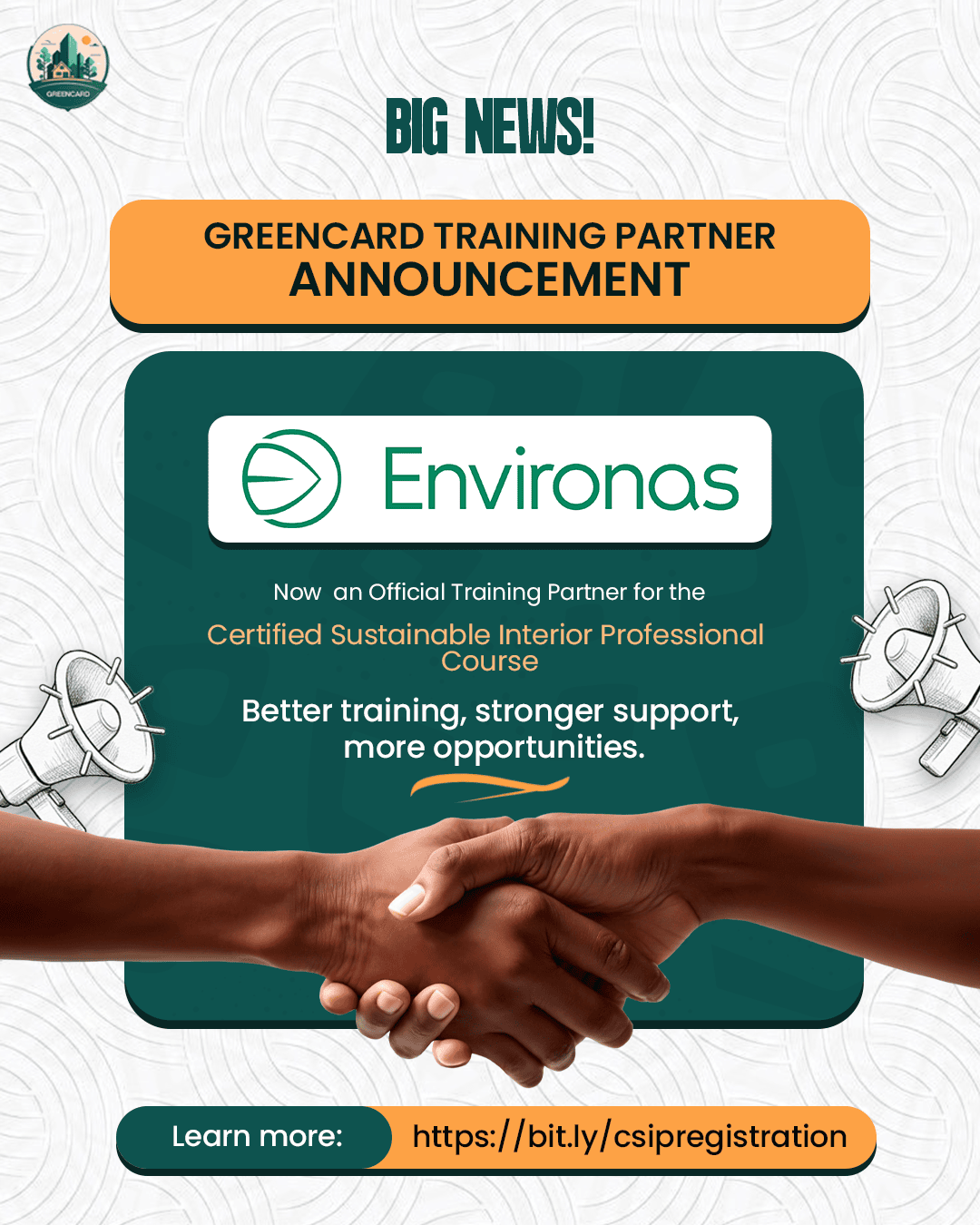
Through our certification courses in ESG management, carbon accounting, climate finance, sustainable interiors, green building, and related sustainability fields, we help professionals build practical competence for the work ahead.
The gap is still wide. The opportunity is open.
Be part of the next learning cohort for our Licensed ESG Manager Course or the Certified Carbon Accounting Expert Course which is open all year round.
Tags : sustainability metric, training, green economy