Procurement is one of the most underestimated areas of sustainability.
Many organizations focus on internal operations, energy use, workplace policies, and reporting. These are important, but they often ignore what happens through suppliers, contractors, materials, logistics, and purchased services. That is a mistake. For many organizations, procurement decisions create a large part of their environmental and social impact.
What is sustainable procurement?
Sustainable procurement means buying goods and services in a way that considers cost, quality, environmental impact, social responsibility, ethics, and long term value.
It does not mean buying the cheapest option. It means making purchasing decisions that reduce risk and improve value. A sustainable procurement process may consider:
Supplier labour practices
Material source and durability
Energy efficiency
Waste generation
Packaging
Transport emissions
Local content
Human rights risks
Compliance records
Product life cycle
End of life disposal
This makes procurement a strategic sustainability function.
Why procurement affects ESG
The environmental side of procurement includes emissions, resource use, waste, pollution, water, materials, and energy performance.
The social side includes worker safety, labour standards, fair wages, diversity, community impact, and human rights.
The governance side includes supplier due diligence, anti corruption, contract controls, transparency, and accountability.
This means procurement sits directly inside ESG implementation. In the same vein, cheap can also become expensive. A low cost supplier may create higher long term costs if the product fails quickly, generates more waste, increases energy use, creates compliance issues, or damages reputation.
Sustainable procurement looks beyond purchase price. It considers total cost and total impact.
For example, an energy efficient product may cost more at the start but reduce operating costs over time. A durable material may reduce replacement cost. A responsible supplier may reduce compliance and reputational risk.
Good procurement is not just about spending less. It is about buying smarter. The good news is, organizations do not need to become perfect immediately. They can start with practical steps.
Review current procurement categories.
Identify high impact purchases.
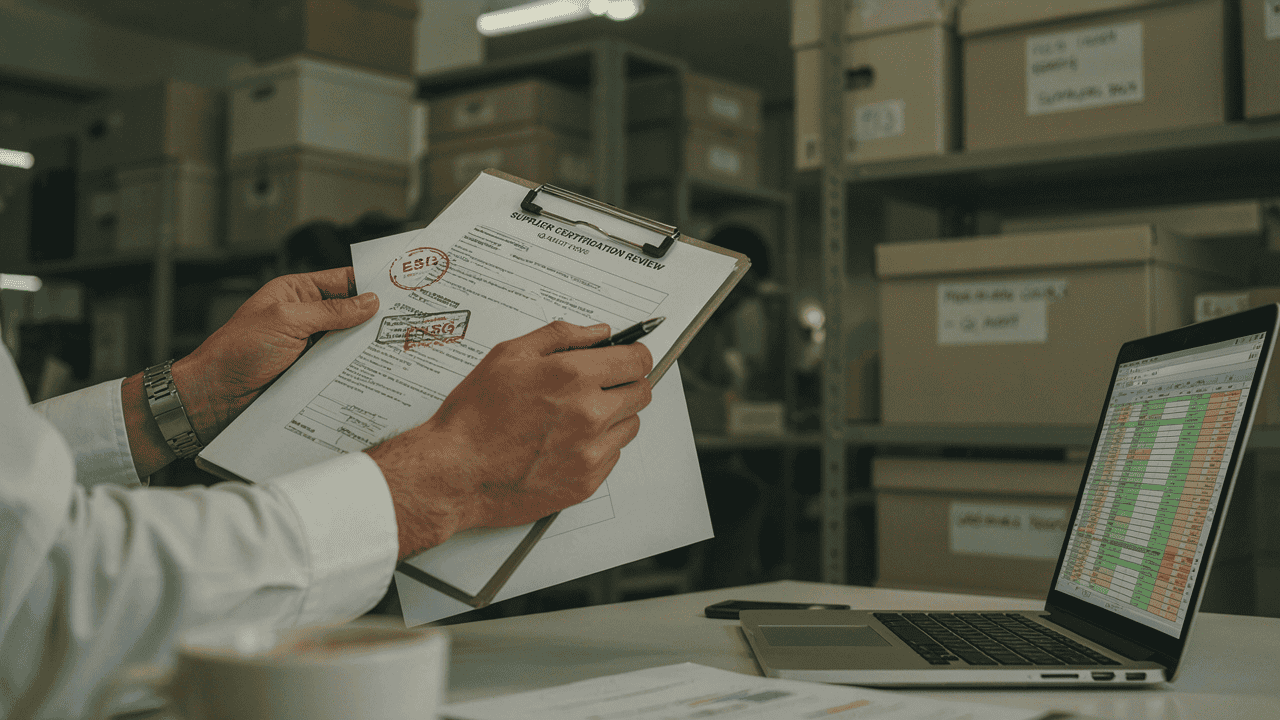
Create basic supplier sustainability questions.
Include ESG criteria in procurement decisions.
Train procurement staff.
Track supplier performance.
Document decisions.
Improve gradually.
This is better than waiting until a client, investor, regulator, or partner demands evidence. Procurement officers, operations managers, sustainability professionals, finance officers, project managers, and business owners all need to understand sustainable procurement.