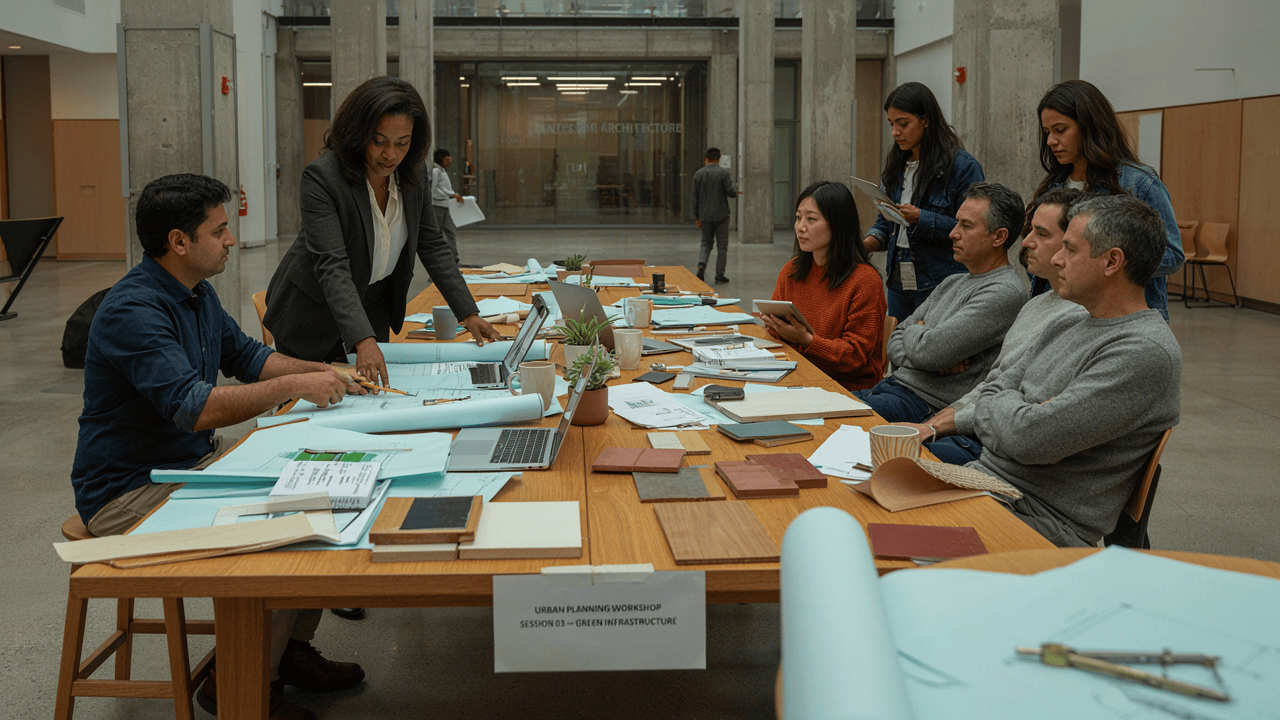
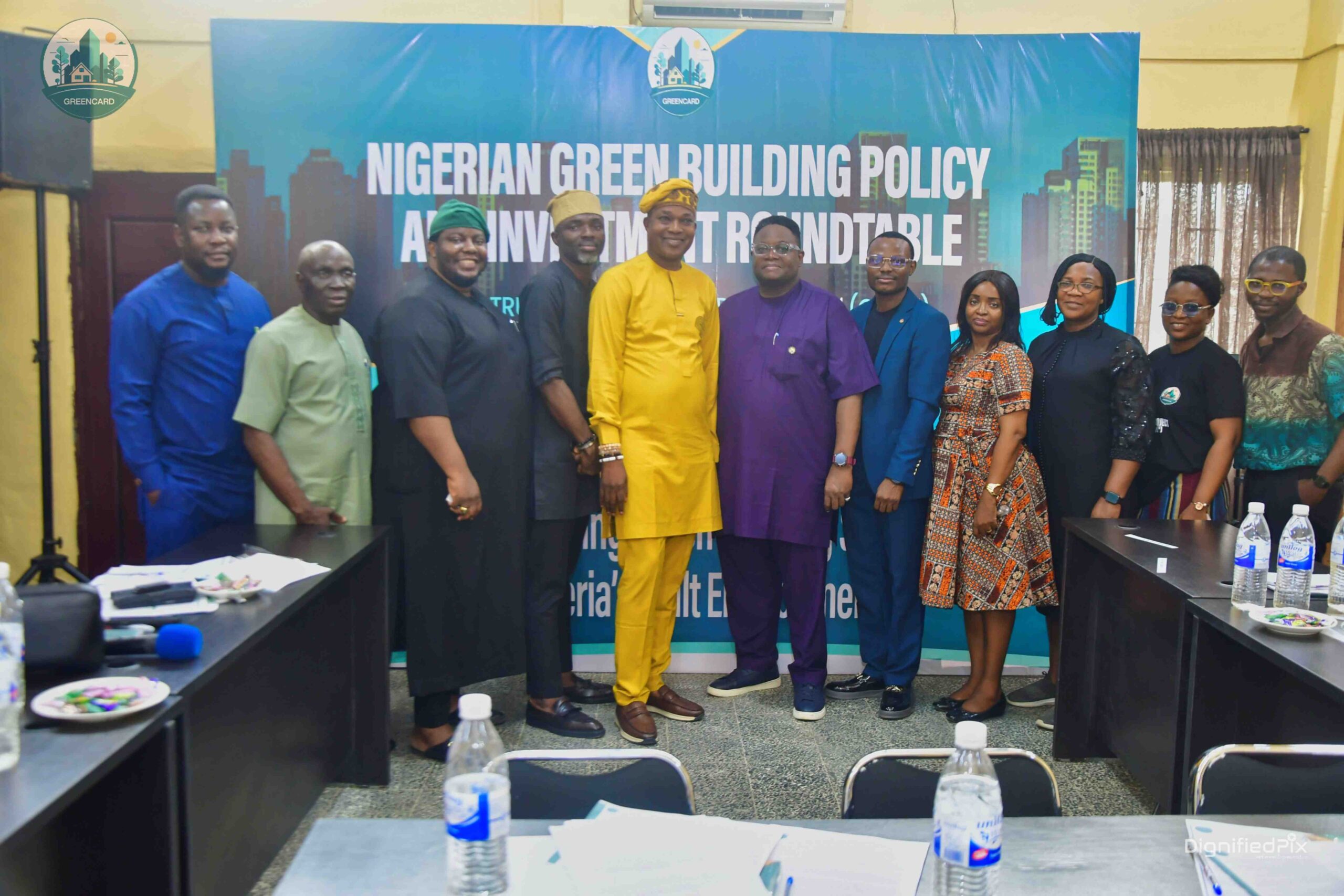
Everyone in the project team has a role
Green building is not only the job of the sustainability consultant.
Architects shape passive design, material choices, space planning, and comfort.
Engineers influence energy systems, ventilation, water systems, and performance.
Quantity surveyors influence cost decisions and life cycle costing.
Contractors influence waste, material handling, site practices, and quality.
Facility managers influence operational performance.
Interior designers influence finishes, lighting, indoor air quality, furniture, and occupant comfort.
Developers influence budget, ambition, and long term asset value.
When these roles do not work together, sustainability suffers.
Extensively, green building must fit local realities, a green building strategy must respond to context. What works in one country, climate, or market may not work in another.
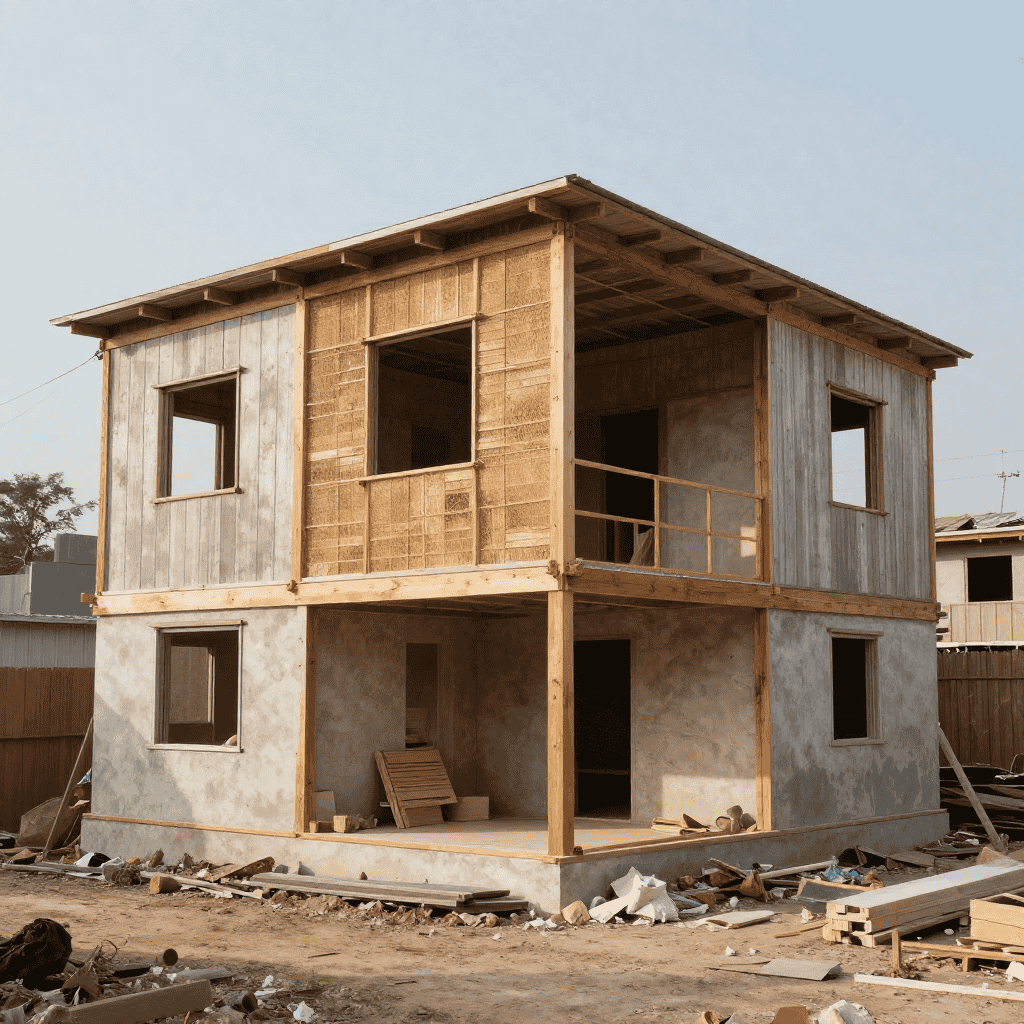
In African cities, green building conversations must consider heat, flooding, energy access, material availability, affordability, urban growth, informal markets, maintenance culture, and local construction practices. A good framework must be practical enough for real projects.
The built environment needs more professionals who understand sustainability beyond theory. They must know how to interpret requirements, make trade offs, coordinate with other professionals, and support better project outcomes.